 Menu
Menu DR driving rules for tourists 2026
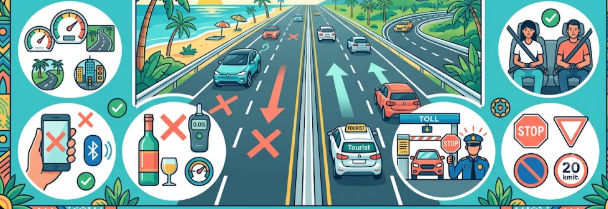
Discover the essential DR driving rules for tourists 2026. Understand local road regulations, speed limits, documentation requirements, and learn why booking a reliable private transportation service ensures a stress-free and safe Caribbean vacation.
Understanding DR Driving Rules for Tourists 2026
Visiting the Dominican Republic offers a breathtaking experience, from the pristine beaches of Punta Cana to the lush mountains of Jarabacoa. However, navigating the streets and highways requires a solid understanding of the local traffic laws and road etiquette. The DR driving rules for tourists 2026 have been updated to ensure safer travel for both residents and international visitors. While the Caribbean charm is undeniable, the reality of local traffic can be overwhelming for first-time visitors. Knowing what to expect on the road is essential for a smooth, incident-free vacation.
Tourists often underestimate the dynamic nature of Dominican traffic. The local driving style is fast-paced, and while official laws exist, the practical application on the streets can feel chaotic to outsiders. This makes familiarizing yourself with the DR driving rules for tourists 2026 not just a legal obligation, but a crucial safety measure. Whether you are traveling between resorts, exploring historic zones, or crossing the country, being informed is your first line of defense.
Essential Traffic Regulations and Speed Limits
The core traffic regulations in the Dominican Republic align with international standards, but enforcement and local adherence can vary. When driving, you must always drive on the right side of the road. Speed limits are strictly enforced by highway patrols (DIGESETT) using radar, and fines for speeding must be paid at local transit offices, which can significantly disrupt your vacation schedule.
The general speed limits are set as follows:
- City and Urban Areas: 40 km/h (25 mph) to 60 km/h (37 mph), depending on the specific zone.
- Rural Roads: 80 km/h (50 mph).
- Major Highways and Toll Roads: 100 km/h (62 mph) to 120 km/h (75 mph). Always look for posted signs, as limits can drop suddenly near intersections or populated areas.
Seatbelts are completely mandatory for the driver and the front-seat passenger. While enforcement for rear-seat passengers is less strict, wearing a seatbelt at all times is highly recommended. Using a mobile phone without a hands-free device while operating a vehicle is strictly prohibited and carries a heavy fine. Additionally, driving under the influence of alcohol is illegal. The legal blood alcohol concentration (BAC) limit is 0.05%, which is lower than in many parts of the United States and Europe.
Documentation Required for Foreigners
If you choose to get behind the wheel, you must have the correct documentation readily available. Under the DR driving rules for tourists 2026, foreign visitors are permitted to drive for the duration of their legal tourist stay (usually up to 30 days) using a valid driver’s license from their home country. You do not need an International Driving Permit (IDP) for short stays, though having one can sometimes expedite interactions with traffic authorities.
Always carry your original valid driver’s license, a copy of your passport (especially the page showing your entry stamp), and the vehicle's registration and insurance documents. Failure to produce these documents during a routine police checkpoint can result in vehicle impoundment and significant delays.
Navigating Dominican Road Etiquette
Official rules only tell half the story. The unwritten rules of the road are just as important when analyzing the DR driving rules for tourists 2026. The horn is used extensively in the Dominican Republic, not always out of aggression, but as a communication tool. A quick honk might mean "I am passing you," "The light turned green," or simply "Watch out, I am in your blind spot."
Motorcycles (motoconchos) are everywhere and frequently weave through traffic, ignore lane markings, and bypass traffic lights. Drivers must remain highly vigilant, checking mirrors constantly. Intersections can also be tricky; even if you have the right of way, it is crucial to slow down and ensure cross traffic is actually stopping before you proceed.
Why Private Transportation is the Ultimate Solution
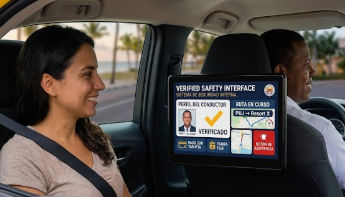
Given the complexities and stress associated with local traffic, opting for a professional private transportation service is overwhelmingly the best choice for visitors. Instead of memorizing the DR driving rules for tourists 2026 and risking a stressful encounter with local transit police, you can relax in a climate-controlled, luxury vehicle while an experienced, bilingual local driver navigates the roads.
Private transport eliminates the hidden costs and liabilities of car rentals, such as expensive insurance add-ons, navigating confusing toll booths (many of which require exact local change or electronic tags), and the anxiety of driving after dark. Night driving in the Dominican Republic is particularly hazardous due to unlit roads, wandering livestock, and vehicles driving without proper headlights. A dedicated private transfer ensures you reach your destination safely, efficiently, and comfortably, allowing you to focus entirely on enjoying your Caribbean getaway.
Frequently Asked Questions (FAQ)
Do tourists need an International Driving Permit (IDP) to drive in the Dominican Republic?
No, an IDP is not strictly required for tourists staying less than 30 days. You can legally use a valid driver's license from your home country alongside your passport, according to the DR driving rules for tourists 2026.
Is it safe for tourists to drive at night in the Dominican Republic?
Driving at night is highly discouraged for visitors. Rural roads often lack streetlights, and hazards such as large potholes, pedestrians, and animals are difficult to see in the dark. Utilizing a private transportation service is the safest alternative for evening travel.
What should I do if pulled over by traffic police (DIGESETT)?
Remain calm, be polite, and keep your hands visible. Present your valid driver's license, passport copy, and the vehicle's registration and insurance. Do not attempt to bribe the officer, as anti-corruption measures are strictly enforced.
How do toll roads work for tourists?
Major highways, especially those connecting Punta Cana, Santo Domingo, and Las Terrenas, have toll booths. Tolls must generally be paid in cash (Dominican Pesos) unless the vehicle is equipped with an electronic pass (Paso Rápido). Professional private transfers include all toll fees in their service.
What is the legal alcohol limit for driving in the Dominican Republic?
The legal blood alcohol concentration (BAC) limit is 0.05%. It is strongly advised not to consume any alcohol if you plan to operate a vehicle to avoid severe legal penalties.