 Menu
Menu how to visit jimani from santo domingo
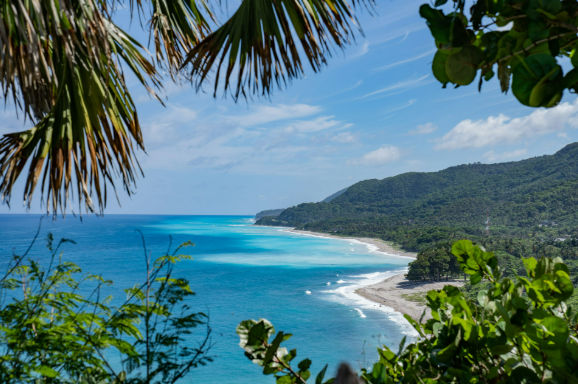
Discover the most efficient routes, travel tips, and transportation options to ensure a safe and comfortable journey from the capital to the Dominican border.
Planning Your Journey to the Dominican Border
Traveling across the Dominican Republic offers a profound look into the diverse landscapes of the Caribbean. For those looking for details on how to visit Jimani from Santo Domingo, the journey is an unforgettable adventure through bustling southern cities, serene coastal highways, and unique ecological zones. Jimani serves as the capital of the Independencia province and stands as one of the most critical border crossings into neighboring Haiti. It is a vital hub of commercial activity and the ultimate gateway for travelers wanting to explore the deep southwest of the country, including the famous Lake Enriquillo.
Understanding Distance and Travel Time
Knowing the logistics of this road trip is crucial for a smooth and enjoyable experience. The total distance between the national capital and this bustling frontier town is approximately 280 kilometers. Depending on the traffic conditions in the metropolitan area and the specific route you take, the drive usually takes around four and a half to five hours. The extensive duration makes it essential to choose the right mode of travel to ensure you arrive rested, comfortable, and ready for your scheduled activities.
Scenic Route Options and Landmarks
When planning the drive, the most scenic and popular path takes you west through several vibrant provinces. You will pass through San Cristobal and Bani, the latter being famous for its vast mango plantations and local sweet treats. Continuing west, the route crosses Azua before heading towards Barahona, where the scenery dramatically shifts. As you drive past Barahona, the highway hugs the Caribbean coastline, offering breathtaking ocean views before transitioning into the arid, fascinating landscape surrounding Lake Enriquillo. This saltwater lake is the largest in the Caribbean and the lowest point in the region, offering opportunities to spot American crocodiles and native iguanas.
Transportation Methods Available
Public Bus Services
Navigating the transportation landscape requires some thought. Public transportation, such as large commercial buses, operates daily routes to the deep south. These buses are budget-friendly and generally safe, but they operate on strict schedules and make multiple passenger stops, which significantly increases your total travel time. Furthermore, once you arrive at the local bus terminal, you still need to secure secondary transit to reach your specific hotel or final destination.
Renting a Vehicle
Renting a car gives you the freedom to explore at your own pace and make spontaneous stops at points of interest along the southern highway. However, driving in the Dominican Republic, especially on rural routes and near border towns, can be highly challenging for visitors. You must be prepared to navigate unpredictable traffic, varying road conditions, roaming livestock, and local driving habits that require constant vigilance.
Private Transportation Options
For the ultimate blend of comfort, safety, and convenience, booking a private transfer is the best strategic choice. Utilizing a specialized service like Taxi Dominicana transforms a grueling five-hour transit into a relaxing, air-conditioned sightseeing tour. With private transportation, you dictate the exact departure time directly from your hotel or the airport. You travel in a modern vehicle with a professional driver who knows the routes, the safest rest stops, and the local driving culture intimately. This premium door-to-door service eliminates the stress of navigating crowded terminals or driving in unfamiliar territory, ensuring a seamless arrival.

What to Expect Upon Arrival
Upon arriving in Jimani, you will find a vibrant town driven by intense cross-border trade. The local bi-national market is a major economic draw, where vendors from both nations trade goods ranging from agricultural products to textiles and electronics. It is an intense, colorful environment that offers a raw glimpse into the daily realities of the island. If your itinerary involves crossing the international border, ensure all your documentation is in order, as customs and military immigration protocols are strictly enforced in this region.
Essential Travel Tips for the Road
- Stay Hydrated: The climate in the southwest is notoriously hot and dry. Bring plenty of bottled water for the ride.
- Carry Local Currency: Have smaller denominations of Dominican Pesos for toll booths, local fruit stands, and small purchases.
- Keep Identification Handy: Even if you are not crossing the border, carry your passport or national ID, as routine military checkpoints are common on the highways leading to the frontier.
- Dress Comfortably: Wear lightweight, breathable clothing to manage the soaring temperatures of the Independencia province.
Frequently Asked Questions
Is the road to the border safe to drive?
Yes, the main highways connecting the capital to the southwest are generally well-maintained and safe during daylight hours. However, driving at night is strongly discouraged due to poorly lit sections and the potential for animals on the road.
Do I need a passport to visit the town?
If you are strictly visiting the Dominican side and not crossing into Haiti, a standard government ID is technically sufficient. However, international travelers should always carry their physical passports when traveling near border zones due to the frequent security checkpoints along the route.
Can I complete this trip in a single day?
While it is physically possible to drive there and back in one day, it requires roughly ten hours of total driving. It is highly exhausting, so booking an overnight stay or using a comfortable private service like Taxi Dominicana is highly recommended to manage fatigue.
Are there places to eat along the way?
Absolutely. There are numerous safe and clean rest stops, known locally as paradores, particularly near Bani and Azua. These stops offer authentic Dominican food, clean restrooms, and excellent local coffee.