 Menu
Menu Is it safe to travel to Dominican Republic 2026 tips
Discover essential security advice, travel insights, and private transportation recommendations for visiting the Dominican Republic securely and comfortably in 2026.
When planning a Caribbean getaway, one of the most common questions travelers ask is regarding the security of their destination. The Dominican Republic continues to be a premier choice for vacationers worldwide, boasting pristine beaches, lush landscapes, and vibrant culture. Preparing for your 2026 trip involves understanding the local environment, securing reliable services, and adopting smart travel habits. By focusing on essential precautions and booking trusted services, particularly when it comes to getting around the island, you can ensure your tropical escape is nothing short of spectacular and completely stress-free.
Understanding the Security Landscape for Tourists
Millions of visitors travel to the Dominican Republic every year, and the vast majority experience completely incident-free vacations. The local government and tourism boards place a highly visible priority on protecting visitors, deploying specialized tourist police, known locally as POLITUR, in popular areas like Punta Cana, Bavaro, Puerto Plata, and Santo Domingo. These officers are specifically trained to assist foreigners and maintain a secure atmosphere around resorts, public beaches, and popular historical attractions. In 2026, the implementation of enhanced monitoring systems and increased patrols in tourist corridors has further strengthened the overall security for international guests. However, just like any major international destination, visiting requires a baseline of common sense. Petty theft, such as pickpocketing or bag snatching, can occasionally occur in crowded public spaces or unlit areas at night. Awareness of your surroundings is your absolute best defense against these opportunistic occurrences.
The Importance of Pre-Booked Airport Transfers
Your vacation officially begins the moment you step out of the airport terminal, which is often the most chaotic part of any international journey. Upon arriving at major hubs like Punta Cana International Airport (PUJ) or Las Américas International Airport (SDQ) in Santo Domingo, travelers are frequently approached by aggressive, unauthorized taxi drivers and timeshare representatives. To guarantee a smooth and secure start to your trip, reserving a private airport transfer in advance is highly recommended. Private transportation companies operate with modern, well-maintained fleets and employ professional, licensed drivers who actively track your flight status. This eliminates the need to negotiate fares in a foreign currency while exhausted from traveling. Furthermore, authorized private transport vehicles are registered with the local tourism ministry, ensuring they meet rigorous mechanical and insurance standards. Bypassing the bustling taxi queues and stepping directly into a reserved, air-conditioned SUV or van instantly elevates your peace of mind.
Navigating the Island Safely with Private Transportation
While public transportation options like 'guaguas' (local public buses) and 'motoconchos' (motorcycle taxis) are inexpensive, they are strictly not recommended for tourists prioritizing security and comfort. Public buses can be heavily overcrowded and lack basic safety features, while motoconchos pose significant traffic risks. For moving between your resort and external attractions, private transportation remains the gold standard. Whether you are planning a day trip from Punta Cana to the historical streets of Santo Domingo, or heading to the lush, mountainous landscapes of Samana, hiring a dedicated driver ensures you remain on main, well-lit highways. Professional drivers possess intimate knowledge of the road conditions, which can sometimes be unpredictable due to tropical weather or ongoing infrastructure updates in 2026. Additionally, having a dedicated vehicle means your personal belongings remain secure inside the car while you step out to take photos or enjoy a quick traditional meal.
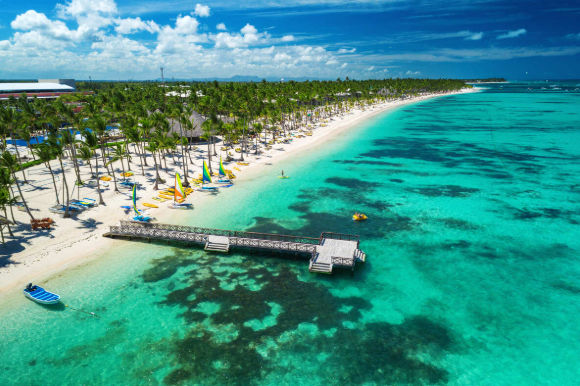
Resort Security and Exploring Beyond the Hotel
All-inclusive resorts in the Dominican Republic function essentially as gated communities. They feature round-the-clock security personnel, surveillance cameras, and strict guest-only access policies. Inside these complexes, the environment is highly controlled, exceptionally secure, and designed entirely for your relaxation. However, confining yourself to the resort property means missing out on the rich culture and stunning natural beauty of the wider island. When stepping off the property, do so smartly. Leave your physical passport, large amounts of cash, and expensive jewelry locked in your hotel room safe. Carry only a photocopy of your identification and the exact funds you need for the day's activities. If you wish to experience the local nightlife, arrange for your private driver to wait for you or schedule a specific pickup time at the venue. Avoid walking alone at night along isolated stretches of beach or unlit side streets.
Smart Habits for Excursions and Daily Activities
The island offers incredible excursions, from zip-lining in the dense jungle canopies to catamaran cruises heading toward Saona Island. When booking these activities, always use certified tour operators. Your hotel concierge or your trusted private transportation provider can often recommend reputable companies that adhere strictly to international safety protocols. When visiting popular public beaches like Macao or regional surfing spots, keep a close eye on your belongings. Waterproof pouches are excellent investments for keeping your smartphone and cash on your person while swimming in the ocean. Additionally, pay close attention to the colored flag systems posted on the beaches, which indicate current water conditions and warn swimmers of potential rip currents.
Health, Hydration, and Medical Precautions
Staying protected also means actively safeguarding your physical health. The Caribbean sun is remarkably intense, requiring high-SPF sunscreen applied frequently and constant hydration throughout the day. Tap water in the Dominican Republic is not safe for human consumption under any circumstances. Always drink bottled or purified water, which is abundantly provided at all resorts and typically offered by reputable private transport services during your rides. Use bottled water for brushing your teeth as well to avoid accidental ingestion. Before traveling in 2026, ensure you have comprehensive travel insurance that covers emergency medical care and potential medical evacuations. While private clinics in major tourist hubs offer excellent, state-of-the-art medical care, they generally require upfront payment or a verified, valid insurance policy before providing any form of treatment.
Frequently Asked Questions (FAQ)
Are taxis safe to hail off the street in the Dominican Republic?
While official hotel taxis wait at designated stands and are generally reliable, hailing a random cab off the street is not advised. It is always significantly safer to use pre-booked private transportation to ensure fixed rates, fully licensed drivers, and well-maintained vehicles that are tracked by a central dispatch.
Is it safe to leave my resort in Punta Cana?
Yes, it is perfectly fine to leave your resort to enjoy managed excursions, dine at local restaurants, or shop for souvenirs. However, it is strongly recommended to use previously arranged private transport and stick to well-known tourist areas rather than wandering aimlessly through residential neighborhoods.
Can I drink the tap water during my stay?
No. Tap water across the island is strictly for showering and washing hands. Always consume bottled water to avoid severe gastrointestinal issues that could easily disrupt your vacation itinerary.
What should I do in case of an emergency while on vacation?
The national emergency response number in the Dominican Republic is 911, which is fully operational and responsive in all major tourist zones. You can also reach out to POLITUR (Tourist Police) directly, as they provide specialized assistance tailored specifically for international visitors.