 Menu
Menu las terrenas travel guide
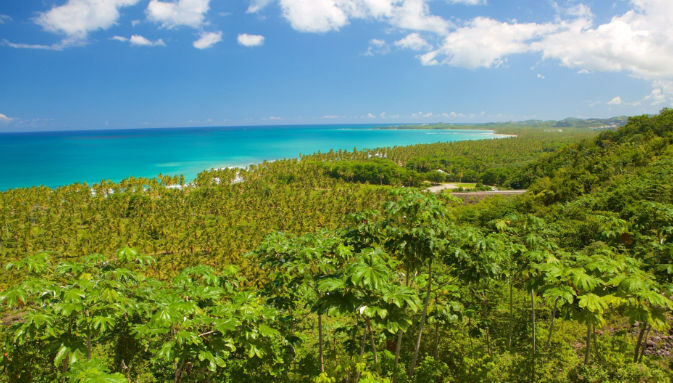
Explore the vibrant beauty of the Samana Peninsula with our comprehensive look at pristine beaches, thrilling local activities, and seamless private transportation options.
Discover the Magic of the Samana Peninsula
Nestled on the northeastern coast of the Dominican Republic, the Samana Peninsula is a breathtaking destination that seamlessly blends pristine beaches, lush tropical jungles, and a vibrant local culture. Known for its European flair and laid-back Caribbean atmosphere, this coastal town has transformed from a sleepy fishing village into one of the most sought-after destinations in the Caribbean. Whether you are seeking a tranquil retreat surrounded by palm trees or an adventurous getaway filled with water sports and eco-tours, this coastal haven offers an unparalleled experience for every type of traveler.
What sets this town apart from other popular Dominican resorts is its commitment to preserving its natural beauty. You will not find massive all-inclusive resorts dominating the coastline here. Instead, boutique hotels, charming villas, and eco-lodges are tucked away among the coconut groves, ensuring that the spectacular natural environment remains the main attraction. The unique blend of Dominican warmth and international—specifically French and Italian—influences is evident in the architecture, the lifestyle, and most importantly, the incredible culinary scene.
Top Beaches to Visit
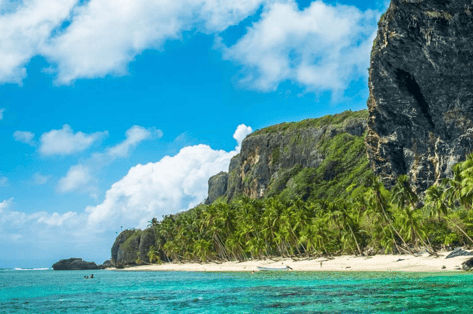
The coastline surrounding the area is dotted with some of the most spectacular beaches in the world. Each shore has its own distinct personality, catering to different moods and activities. From calm, family-friendly waters to perfect surfing waves, the variety is truly astounding and ready to be explored.
Playa Bonita
As its name suggests, Playa Bonita is simply beautiful. This crescent-shaped bay features powdery white sand bordered by crystalline, turquoise waters on one side and a lush palm forest on the other. The western end of the beach is exceptionally calm, making it ideal for swimming and stand-up paddleboarding. As you walk towards the eastern end, the waves pick up, creating perfect conditions for beginner and intermediate surfers. A paved pedestrian walkway runs along the beach, lined with chic boutique hotels and fantastic beachfront restaurants where you can enjoy a refreshing tropical cocktail while watching the sunset.
Playa Coson
If you are looking for long, uninterrupted stretches of sand, Playa Coson is the place to be. Stretching for miles, this expansive beach is perfect for long morning walks or horseback riding along the shore. The waters here can be a bit more spirited, offering great boogie boarding opportunities. Playa Coson is also famous for its local seafood shacks, where you can feast on freshly caught fish, grilled lobster, and traditional Dominican sides served right on the sand.
Playa Las Ballenas
Located just a short distance from the town center, Playa Las Ballenas gets its name from the whale-shaped rock formations visible off the coast. This beach features a wide expanse of soft sand and generally calm waters, making it a favorite among families with young children. The shallow shoreline allows for safe wading, and there are plenty of shaded spots provided by the abundant sea grape trees dotting the sandy banks.
Activities and Attractions
Beyond the stunning beaches, the surrounding region offers a wealth of natural wonders, ecological reserves, and exciting activities for those looking to explore the wilder side of the Dominican Republic.
El Limon Waterfall
A visit to the spectacular Cascada El Limon is an absolute must. Hidden deep within the tropical rainforest, this magnificent waterfall cascades down a 130-foot drop into a refreshing natural pool. The journey to the falls is an adventure in itself. You can choose to hike through the lush jungle trails or take a guided horseback ride, crossing rivers and navigating rugged terrain. Once you arrive, a refreshing dip in the cool waters beneath the cascading falls provides the perfect reward for your trek.
Whale Watching
Between the months of January and March, the warm waters of the Samana Bay become a sanctuary for thousands of humpback whales. These majestic creatures migrate to the area to mate and give birth. Taking a boat tour to witness the whales breaching, slapping their tails, and caring for their calves is a truly awe-inspiring experience that should not be missed by any nature enthusiast.
Los Haitises National Park
Accessible by boat across the bay, Los Haitises National Park is a mesmerizing ecological wonder. The park features towering limestone karst formations jutting out of the water, extensive mangrove forests, and ancient caves adorned with petroglyphs and pictographs left by the indigenous Taino people. Exploring this diverse ecosystem offers a fascinating glimpse into the natural history and rich cultural heritage of the island.
Gastronomy and Nightlife
The culinary landscape here is a delightful reflection of its multicultural population. You can savor authentic Dominican dishes like mangu and hearty sancocho alongside exquisite French pastries, authentic Italian pizzas, and fresh Mediterranean seafood. The Pueblo de los Pescadores, once a row of humble fishermen's shacks, is now a vibrant waterfront strip featuring some of the best restaurants and bars in town. As the sun sets, this area comes alive with music, offering a lively yet relaxed nightlife scene where you can dance to traditional bachata and merengue or simply enjoy a quiet rum drink under the stars.
Optimal Transportation Strategies
Getting to and navigating around the region requires a bit of logistical planning. While there is a small local airport nearby, most international travelers fly into the capital, Santo Domingo, which is about a two-hour drive away via a modern, scenic toll highway surrounded by dramatic green mountains.
When it comes to comfort, safety, and reliability, pre-booking private transportation is highly recommended. Utilizing a specialized private transport service in the Dominican Republic ensures a seamless transition from the airport directly to your accommodation. Unlike public buses, which can be crowded and adhere to strict schedules, or standard taxis that may require stressful price negotiations upon arrival, private transfers offer fixed rates, modern air-conditioned vehicles, and professional, English-speaking drivers. This is especially beneficial after a long flight, allowing you to relax, stretch out, and enjoy the beautiful views of the Dominican countryside without any logistical stress or delays.
Frequently Asked Questions (FAQ)
What is the best time of year to visit?
The optimal time to visit is between December and April, when the weather is consistently sunny, breezy, and dry. If you specifically want to see the humpback whales in Samana Bay, you should plan your trip between mid-January and late March.
Is the area safe for international tourists?
Yes, it is generally considered very safe for tourists. The local community is incredibly welcoming, and violent crime against tourists is exceptionally rare. However, as with any travel destination around the world, it is always wise to practice basic common sense, such as safeguarding your valuables and not walking alone in unlit, isolated areas at night.
Do I need to rent a car to get around?
Renting a car is not strictly necessary. Many beaches, restaurants, and shops are easily accessible by walking or taking a local motoconcho (motorcycle taxi) for short distances. For longer excursions or airport transfers, booking a dedicated private transport service provides the safest and most comfortable option, entirely eliminating the need to navigate unfamiliar foreign roads.
What currency is widely accepted?
The official currency is the Dominican Peso (DOP). While US dollars and Euros are widely accepted at larger hotels, tour operators, and tourist-centric restaurants, it is highly recommended to carry local pesos for smaller purchases, local transport, and tipping. Credit cards are accepted in many establishments, but cash remains essential in smaller artisan shops and beachside shacks.
Can I drink the tap water?
It is strongly advised not to drink the tap water. Always use bottled water for drinking and brushing your teeth. Most hotels and reputable restaurants use purified water for ice and food preparation, but it is always perfectly acceptable to ask your server and confirm before consuming.