 Menu
Menu punta cana weather

Planning a trip to the Dominican Republic? Understanding the local climate is key to enjoying your Caribbean vacation. Discover what to expect from the tropical temperatures, rainy seasons, sunny days, and how it impacts your travel plans
Understanding the Tropical Climate for Your Caribbean Getaway
When you start planning a tropical vacation, one of the first things that comes to mind is the forecast. The Dominican Republic is famous for its breathtaking beaches, crystal-clear waters, and luxurious resorts, but to truly maximize your time relaxing under the palm trees, having a deep understanding of the local climate is essential. The general forecast dictates what you should pack, which excursions you should book, and even how you plan your arrival. Securing reliable private transportation from the airport ensures that the moment you step out of the terminal, you are completely shielded from the elements, whether it is a bright, sunny afternoon or a sudden tropical downpour.
The Year-Round Caribbean Warmth
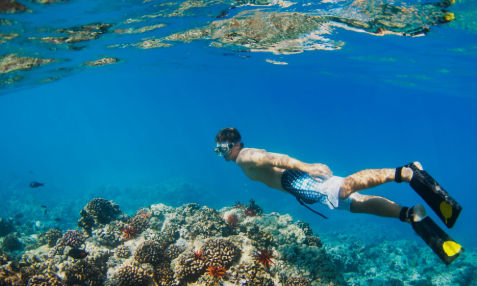
The eastern tip of the Dominican Republic experiences a tropical wet and dry climate. This means you can expect consistently warm temperatures regardless of the month you choose to travel. Daytime highs typically hover around 86°F to 90°F (30°C to 32°C), while nighttime lows rarely drop below 70°F (21°C). The ocean water is always inviting, remaining pleasantly warm throughout the year, making it perfect for swimming, snorkeling, and sailing at any given time.
Because the region is situated in the tropics, the sun is quite strong. High UV index levels are standard, making sun protection a daily necessity. Even when there is a light breeze coming off the ocean, the intensity of the sun can be deceiving. While the heat is a major draw for visitors escaping cold winters, managing your exposure and staying hydrated is key to an enjoyable trip. Riding in an air-conditioned private vehicle upon arrival provides immediate relief from the tropical humidity and sets a comfortable tone for the rest of your vacation.
The Dry Season: December to April
For many travelers, the dry season represents the absolute best time to visit the island. Running from December through April, this period is characterized by lower humidity levels, minimal rainfall, and an abundance of clear, blue skies. The comfortable breezes make the heat feel much more manageable, creating the ideal conditions for outdoor activities, beach lounging, and exploring the surrounding areas.
Because the weather is so reliable during these months, it is also the peak tourist season. Resorts are bustling, excursions sell out quickly, and the airport can be exceptionally busy. To avoid waiting in long taxi lines under the Caribbean sun, pre-booking a private airport transfer becomes a crucial step in your travel planning. A dedicated driver waiting for you guarantees a smooth, hassle-free transition from the arrivals gate directly to your resort reception. The pleasant daytime temperatures also make this the perfect window for golfing, ziplining, and participating in water sports without the interruption of sudden showers.
The Wet Season: May to November
Starting in May, the humidity begins to rise, signaling the transition into the wet season, which lasts through November. While the term "wet season" might sound intimidating, it rarely means continuous, all-day rain. Instead, the typical pattern involves bright, sunny mornings followed by brief but intense downpours in the late afternoon. These rain showers are usually short-lived, serving to cool down the environment before the skies clear up again for the evening.
It is important to note that this period also overlaps with the official Atlantic hurricane season, which runs from June to November, with the highest statistical risk of storms occurring in August and September. However, modern forecasting provides ample warning for any severe weather systems, and the resorts are fully equipped to handle these events. Traveling during these months offers significant advantages, including fewer crowds and better rates on luxury accommodations. During the wet season, having a pre-arranged private vehicle is incredibly valuable. If a sudden afternoon storm hits just as your flight lands, you will not be caught standing in the rain waiting for a shared shuttle; your private driver will have you quickly and comfortably on your way.
Monthly Temperature and Precipitation Breakdown
Breaking down the conditions month by month helps pinpoint the exact vibe you want for your vacation. January and February are the coolest months, though "cool" is a relative term when the highs still reach a beautiful 83°F (28°C). These months are exceptionally dry, making them a favorite for winter escapes. March and April maintain the dry conditions but begin to see a slight increase in average daily temperatures.
May marks the beginning of the transitional period. You will notice the humidity increasing and the chance of afternoon showers becoming more frequent. June and July bring hotter days, often reaching into the low 90s (around 33°C). The ocean breezes provide excellent relief, and the mornings remain predominantly clear and sunny.
August and September are the warmest and most humid months. The air can feel quite heavy, and this is when the area receives the highest amount of its annual rainfall. Despite this, there are still plenty of sunny hours to enjoy the pool or the beach. October begins to see a gradual decrease in both temperature and severe storm risk, while November serves as a bridge back to the dry season, with the humidity dropping and the trade winds returning to cool the island down.
Packing According to the Tropical Climate
Your packing list should be directly influenced by the tropical environment. Lightweight, breathable fabrics such as cotton and linen are highly recommended to help you stay cool during the warmest parts of the day. If you are traveling during the dry season, your suitcase will mostly consist of swimwear, shorts, t-shirts, and perhaps a light sweater or long-sleeved shirt for the slightly cooler evenings. For those visiting during the wet season, incorporating a lightweight, packable rain jacket or a small travel umbrella is a smart move. These items take up very little space but are incredibly useful during those quick afternoon showers.
Regardless of when you visit, certain items are universally necessary. Strong sunscreen, UV-blocking sunglasses, and a wide-brimmed hat are non-negotiable for protecting yourself against the intense Caribbean sun. Additionally, insect repellent is very important, particularly if you plan to venture out on nature excursions or if you are visiting during the more humid months when mosquitoes are more active. Knowing exactly what to bring ensures you remain comfortable, allowing you to focus on enjoying the scenic drives in your private transport and the beautiful beaches that the Dominican Republic has to offer.