 Menu
Menu Tourist transport safety measures Dominican Republic
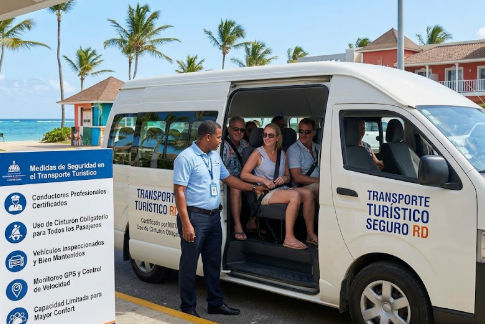
Discover the essential tourist transport safety measures in the Dominican Republic. Learn how certified private transfers ensure a secure, comfortable, and reliable journey throughout your Caribbean vacation.
Prioritizing Your Security on Caribbean Roads
When planning a vacation to a tropical paradise, securing reliable and secure airport transfers is just as important as booking the perfect resort. The tourist transport safety measures Dominican Republic regulations mandate are designed to provide visitors with absolute peace of mind from the moment they step out of the airport. Whether you are arriving at Punta Cana International Airport (PUJ), Las Américas International Airport in Santo Domingo (SDQ), or traversing the scenic routes to La Romana and Puerto Plata, understanding the rigorous protocols in place will help you make informed decisions about your travel arrangements.
The local government, in collaboration with the Ministry of Tourism (MITUR) and the National Institute of Transit and Land Transportation (INTRANT), has implemented comprehensive regulations to standardize the quality of private tourist transportation. These measures are actively enforced to elevate the visitor experience, ensuring that every ride is not only comfortable but strictly adheres to international security standards. Choosing a certified private transport provider guarantees that you are protected by a multi-layered security system throughout your entire journey.
Rigorous Vehicle Maintenance and Fleet Modernization
The foundation of reliable transportation lies in the mechanical integrity of the vehicles. Certified transport providers in the country operate modern fleets that are subjected to exhaustive mechanical inspections. These preventative maintenance schedules go far beyond basic oil changes. Expert mechanics routinely inspect brake pads, tire tread depth, suspension systems, and transmission health to prevent any on-road malfunctions.
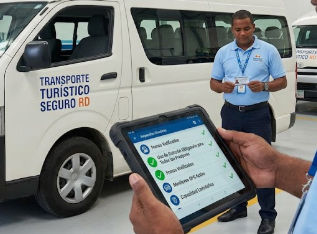
Moreover, top-tier transportation companies utilize advanced technology to monitor their fleets. Vehicles are equipped with sophisticated GPS tracking devices that transmit real-time location data to a central dispatch office. This allows operators to monitor route deviations, track travel times, and ensure the vehicle is operating within designated speed limits. Speed limiters are frequently installed in tourist vans and buses to physically prevent drivers from exceeding safe velocities, especially on highways connecting major tourist hubs. Furthermore, climate control systems are strictly maintained, which not only ensures passenger comfort in the Caribbean heat but also prevents driver fatigue.
Advanced On-Board Safety Equipment
Every certified vehicle utilized for tourist transfers is required to carry specific emergency equipment. This includes industrial-grade fire extinguishers, comprehensive first aid kits, reflective triangles, and tools for immediate roadside assistance. For families traveling with infants and toddlers, reputable companies provide sanitized, high-quality child restraint systems and booster seats that comply with international safety ratings. The installation of these seats uses standardized anchor points like ISOFIX, ensuring the youngest passengers are fully protected during transit.
Professional Driver Certification and Ongoing Training
The individual behind the wheel is the most critical factor in your travel security. The tourist transport safety measures Dominican Republic authorities enforce require drivers to undergo a strenuous vetting process before they are legally permitted to transport international visitors. Prospective drivers must pass comprehensive background checks, which include criminal record screenings and verification of their driving history.
Once hired, chauffeurs are required to hold a specialized tourist transport license issued by INTRANT. Obtaining this license involves passing rigorous written and practical exams. Furthermore, premium transport agencies mandate continuous education for their staff. Drivers regularly participate in defensive driving courses, learning how to anticipate potential hazards, navigate unpredictable weather conditions like sudden tropical downpours, and execute evasive maneuvers safely. Customer service and bilingual communication training are also standard, ensuring drivers can clearly understand passenger needs and provide immediate assistance if an unexpected situation arises.
Strict Regulatory Compliance and Comprehensive Insurance
Operating a tourist transport service in this destination requires navigating a complex web of legal and insurance requirements. Authorized companies must possess official permits from the Ministry of Tourism. To maintain these permits, companies undergo random audits to verify their compliance with federal security mandates. Unregistered "pirate" taxis lack this oversight, which is why utilizing official, pre-booked private transfers is highly recommended.
Insurance coverage is another non-negotiable pillar of the local transportation security framework. Certified operators carry premium, comprehensive commercial insurance policies that provide extensive liability coverage. In the highly unlikely event of a traffic incident, these policies ensure that all passengers have immediate access to private medical care and total financial protection. This level of coverage is rigorously checked by local authorities and provides a massive safety net for international travelers.
Enhanced Hygiene and Sanitation Protocols
Modern travel security extends beyond physical accident prevention; it also encompasses health and hygiene. Following global health shifts, the transportation sector has permanently adopted stringent cleaning protocols. Before any passenger enters a vehicle, the interior undergoes a deep sanitization process. High-touch surfaces, including door handles, seatbelts, window controls, and armrests, are disinfected using hospital-grade cleaning agents. Drivers maintain immaculate personal hygiene and often provide complimentary hand sanitizer for passengers, ensuring the environment remains pristine from departure to arrival.
Frequently Asked Questions (FAQ)
Are child car seats mandatory for tourist transport in the Dominican Republic?
While local laws regarding child seats in private vehicles can be flexible, certified tourist transport companies strictly adhere to international safety standards. Reputable providers offer child, infant, and booster seats upon request during the booking process to ensure the highest level of security for your children.
How can I verify if my transport provider is officially certified?
Official tourist transport vehicles must display visible permits issued by the Ministry of Tourism (MITUR) and INTRANT on their windshields. Additionally, booking through established, highly-rated companies online ensures you are hiring a fully vetted and insured operator.
Do tourist transport drivers speak English?
Yes, the vast majority of drivers employed by certified private transfer companies are bilingual. They undergo language training to effectively communicate with international tourists, answer questions, and assist with luggage and route information.
What should I do if I leave a personal item in the vehicle?
Because certified vehicles are tracked via GPS and assigned to specific drivers, retrieving lost items is highly efficient. You simply need to contact the company's 24/7 customer support line with your reservation details, and the dispatch team will immediately contact the driver to locate and return your belongings.
Are the vehicles monitored during the trip?
Absolutely. Professional transport companies utilize active GPS tracking systems. A central dispatch team monitors the speed, location, and route of every vehicle in real-time, ensuring the driver follows the safest and most efficient path to your destination.