 Menu
Menu weather punta cana
Discover everything you need to know about the weather in Punta Cana. Plan your tropical vacation perfectly by understanding the seasonal temperatures, rainfall, ocean conditions, and the best times to visit the Dominican Republic.
Understanding the Tropical Climate in the Dominican Republic
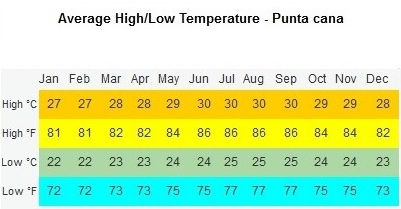
When planning a dream vacation to the Caribbean, understanding the climate is one of the most critical steps to ensure a flawless experience. The weather Punta Cana offers is famously idyllic, characterized by a tropical wet and dry climate. This means that visitors can expect warm, sunny days for the vast majority of the year, accompanied by balmy ocean breezes that keep the humidity manageable. Average temperatures remain consistently pleasant, usually hovering around 80 to 86 degrees Fahrenheit (27 to 30 degrees Celsius) throughout the calendar year. Because the temperature variations are minimal, the primary difference between the seasons is the amount of rainfall and the level of ambient humidity.
The consistent warmth makes this region a paradise for beach lovers, water sports enthusiasts, and those simply looking to escape cold winters. However, the tropical nature of the island means that rain can happen at any time. Luckily, tropical showers are often brief, heavy downpours that quickly make way for brilliant sunshine. The ocean water remains inviting year-round, averaging a comfortable 80 degrees Fahrenheit, which is absolutely perfect for swimming, snorkeling, and scuba diving.

Seasonal Breakdown: Planning Your Visit
The Dry Season (December to April)
For many travelers, the dry season represents the absolute best time to visit the eastern coast of the Dominican Republic. During these months, the weather Punta Cana experiences is characterized by lower humidity, delightfully warm days, and cooler, refreshing evenings. Rain is quite scarce during this period, meaning your plans for outdoor excursions, boat trips, and lounging by the resort pool will rarely be interrupted. Because the climate is so favorable, this is also the peak tourist season.
If you are traveling during these peak months, securing your itinerary in advance is highly recommended. The sunny skies draw thousands of visitors daily, making airports and resorts bustling with activity. Reserving reliable private transportation from the airport to your resort ensures you can transition smoothly from your flight into the comfort of an air-conditioned vehicle, bypassing the crowded taxi lines under the intense Caribbean sun.
The Wet Season (May to November)
As May approaches, the temperature begins to rise slightly, and the humidity levels increase. This marks the beginning of the wet season, which also coincides with the Atlantic hurricane season running from June through November. While the term "wet season" might sound intimidating to some travelers, the reality of the weather Punta Cana presents during these months is far less daunting. Rain usually falls in short, intense bursts, often in the late afternoon or overnight, leaving the rest of the day perfectly clear and sunny to enjoy the beaches.
September and October are typically the rainiest months, but they also offer fantastic travel deals, warmer ocean waters, and fewer crowds at popular tourist attractions. While the risk of tropical storms is present, direct hits by major hurricanes are historically uncommon in this specific part of the island. Modern resorts are incredibly well-equipped to handle tropical weather, and the lush, green landscapes resulting from the rain during this season are truly a breathtaking sight to behold.
Understanding Microclimates and Coastal Breezes
Another fascinating aspect of the local environment is the presence of coastal microclimates. The eastern tip of the Dominican Republic benefits greatly from the constant flow of the trade winds. These gentle, cooling breezes blow in from the Atlantic Ocean, providing a natural respite from the intense tropical heat. This continuous airflow means that even on the hottest days of the year, lounging on the beach under a palm tree remains a profoundly comfortable experience. The trade winds also play a crucial role in keeping pesky insects at bay along the coastline, making your evening strolls on the pristine sand much more enjoyable. When planning excursions inland, be aware that the temperature might feel significantly hotter, as the cooling effect of the ocean breeze diminishes the further you travel from the shore.
What to Pack for Your Caribbean Getaway
Given the predictable warmth, packing for your trip should focus primarily on comfort and sun protection. Breathable, lightweight fabrics such as cotton and linen are highly recommended to stay cool in the tropical humidity. Swimwear is naturally essential, along with a high-quality, reef-safe sunscreen, polarized sunglasses, and a wide-brimmed hat to shield yourself from the intense midday UV rays.
Even though the outdoor temperatures are consistently high, bringing a light sweater or jacket is a smart choice. Most indoor spaces, including resort restaurants, shopping malls, and your private airport transfer vehicles, utilize robust air conditioning. If you are traveling during the wet season, packing a compact travel umbrella or a lightweight rain jacket can be very useful for those unexpected, brief afternoon showers.
Enhancing Your Trip with Private Transportation
No matter what the weather Punta Cana throws your way, navigating the island should be a stress-free and luxurious experience. Upon landing, the transition from the airport environment to your hotel can be significantly impacted by the elements. If it is a scorching, sunny afternoon, waiting in line for a shared shuttle can be exhausting. Similarly, if you arrive during a sudden tropical downpour, you will want immediate shelter and rapid boarding.
Opting for specialized private transportation services ensures that a professional driver is waiting for you immediately upon arrival. You are quickly escorted to a pristine, climate-controlled vehicle. This not only protects you from sudden weather changes but also sets a tone of relaxation for the rest of your vacation. Reliable transportation providers monitor flight schedules and local weather conditions, guaranteeing a seamless, comfortable, and safe journey across the beautiful Dominican landscapes, regardless of the forecast.
Frequently Asked Questions
What is the hottest month of the year?
August is typically the hottest month in this region, with average high temperatures frequently reaching up to 89 degrees Fahrenheit (32 degrees Celsius) and high humidity levels making it feel even warmer.
Does it rain all day during the wet season?
No, it rarely rains all day. Rain during the wet season usually occurs as quick, heavy tropical showers that pass within an hour or two, often followed immediately by bright sunshine.
Is it safe to travel during hurricane season?
Yes, it is generally safe. While the hurricane season runs from June to November, the chances of a direct hit are historically low. Resorts and local authorities have strict safety protocols and advanced weather tracking in place.
How warm is the ocean water?
The Caribbean Sea remains incredibly warm and inviting throughout the entire year, with average water temperatures ranging from 79 degrees Fahrenheit (26 degrees Celsius) in the winter to 84 degrees Fahrenheit (29 degrees Celsius) in the late summer months.