 Menu
Menu What is a concho in Dominican Republic
Discover what a concho is in the Dominican Republic, how this unique shared public transportation system works, and why choosing private transportation might be the best option for your upcoming Caribbean vacation.
Understanding the Dominican Concho: A Local Transit Experience
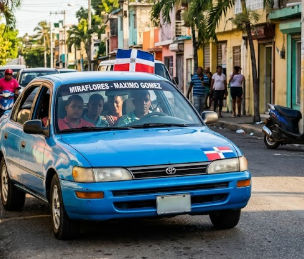
When traveling to a new country, understanding the local public transportation system is essential for navigating the cities and towns. If you are planning a trip to the Caribbean, you will likely ask yourself: what is a concho in Dominican Republic? A "concho" (also known as a "carro público") is a shared route taxi that serves as one of the primary modes of public transportation for locals. Unlike a standard private taxi that takes you directly to your specific destination, a concho operates on a fixed, pre-determined route along major avenues and streets, picking up and dropping off passengers anywhere along that specific path.
Typically, conchos are older model four-door sedans, very frequently Toyota Corollas from the late 80s or 90s, distinguishable by a specific colored sign or decal on their roof or windshield indicating their route. For visitors, seeing a concho in action is a fascinating cultural experience, as they are an integral part of the daily hustle and bustle of Dominican urban life, particularly in busy cities like Santo Domingo, Santiago, and Puerto Plata.
How Does the Concho System Work?
The operational mechanics of a concho are quite unique compared to transit systems in North America or Europe. Drivers do not have official bus stops; instead, they slowly cruise along their designated avenue and honk or flash their lights at pedestrians who look like they might need a ride. To catch a concho, you simply stand on the side of the road, make eye contact with the driver, and point your finger in the direction the car is traveling.
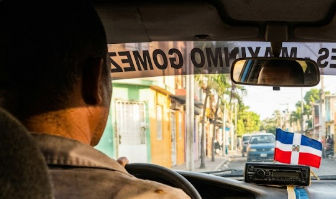
Once inside, you will quickly notice the seating arrangement. To maximize profits on these very cheap fares, drivers fit as many passengers as physically possible into the vehicle. It is standard practice to squeeze two passengers into the front passenger seat (often sitting practically on top of each other or sharing the seatbelt bucket) and four passengers across the back seat. You simply tell the driver "¡Déjeme aquí, por favor!" (Leave me here, please) when you are approaching your desired stop. Payment is made in cash, usually involving passing small coins and bills directly to the driver or through the hands of other passengers.
The Pros and Cons of Riding a Concho
For adventurous travelers looking for extreme immersion, riding a concho offers an unfiltered look into everyday Dominican life. You will hear the latest dembow or bachata music blasting from the radio, engage in quick banter with locals, and get to your destination for an incredibly low price—usually just a few Dominican pesos. It is an extremely economical way to travel short distances down a single main road.
However, the drawbacks are significant, especially for tourists. Conchos are infamously cramped, offering zero personal space. Most of these older vehicles do not have working air conditioning, which means you will be relying on open windows for a breeze in the intense Caribbean heat. Furthermore, safety standards are virtually nonexistent. Seatbelts are rarely functional or used, and the driving style can be highly aggressive as drivers race to pick up fares before their competitors. Most importantly, there is absolutely no space for luggage. If you are traveling with suitcases, backpacks, or shopping bags, boarding a concho is physically impossible.
Conchos vs. Private Transportation in the Dominican Republic
While the concho is a vital lifeline for local residents going to work or school, it is rarely the recommended choice for international visitors seeking relaxation, safety, and comfort. This is where professional private transportation services completely change the travel experience. When you book a private transfer, you are greeted by a professional, uniformed driver waiting for you at the airport or hotel lobby with a sign bearing your name.
Instead of squeezing into an aging, unairconditioned sedan with five strangers, private transportation provides late-model SUVs, minivans, or luxury sedans exclusively for you and your party. You have ample room for all your luggage, reliable climate control to escape the tropical heat, and a direct route to your exact destination without making dozens of stops along the way. For airport transfers, resort hopping, or full-day excursions, private transportation guarantees peace of mind. Your driver understands the local roads perfectly, adheres to strict safety protocols, and often speaks English, providing helpful insights about the island as you travel comfortably.
Important Tips if You Encounter Local Transport
If you do decide to walk around the city and want to identify these vehicles, look for the faded "franja" (a painted stripe or sticker) on the exterior of the car. Always keep your valuables, such as cell phones and wallets, secured in your front pockets or inside a zipped bag, as the tightly packed nature of the vehicle can sometimes lead to opportunistic pickpocketing. It is also crucial to carry exact change; handing a large bill to a concho driver will likely result in a lack of change and a frustrating interaction.
Frequently Asked Questions About Conchos
- How much does a concho cost?
The fare is generally between 35 to 50 Dominican Pesos (DOP) depending on the city and the specific length of the route. Prices can increase slightly at night or during heavy rain. - Are conchos the same as motoconchos?
No, they are different. A concho is a four-door car shared with multiple people. A motoconcho is a motorcycle taxi designed for one or two passengers to navigate through heavy traffic or rural roads quickly. - Can I take a concho from Punta Cana International Airport?
No, conchos do not operate inside or directly outside the airport terminals. For airport arrivals, you must rely on pre-booked private transportation or official airport taxis to reach your resort. - Are conchos safe for tourists?
While generally safe from a physical threat perspective during the day, the lack of seatbelts, aggressive driving, and tightly packed interiors make them less than ideal for tourists. Private transportation is overwhelmingly recommended for a secure and stress-free vacation. - How do I know where a concho is going?
You must know the specific route associated with the colored letter or stripe on the car. Drivers stick strictly to one avenue (for example, only driving up and down Av. 27 de Febrero). If your destination requires turning off that avenue, you have to get out and find a different concho or walk.